The cultural obsession with high value partners
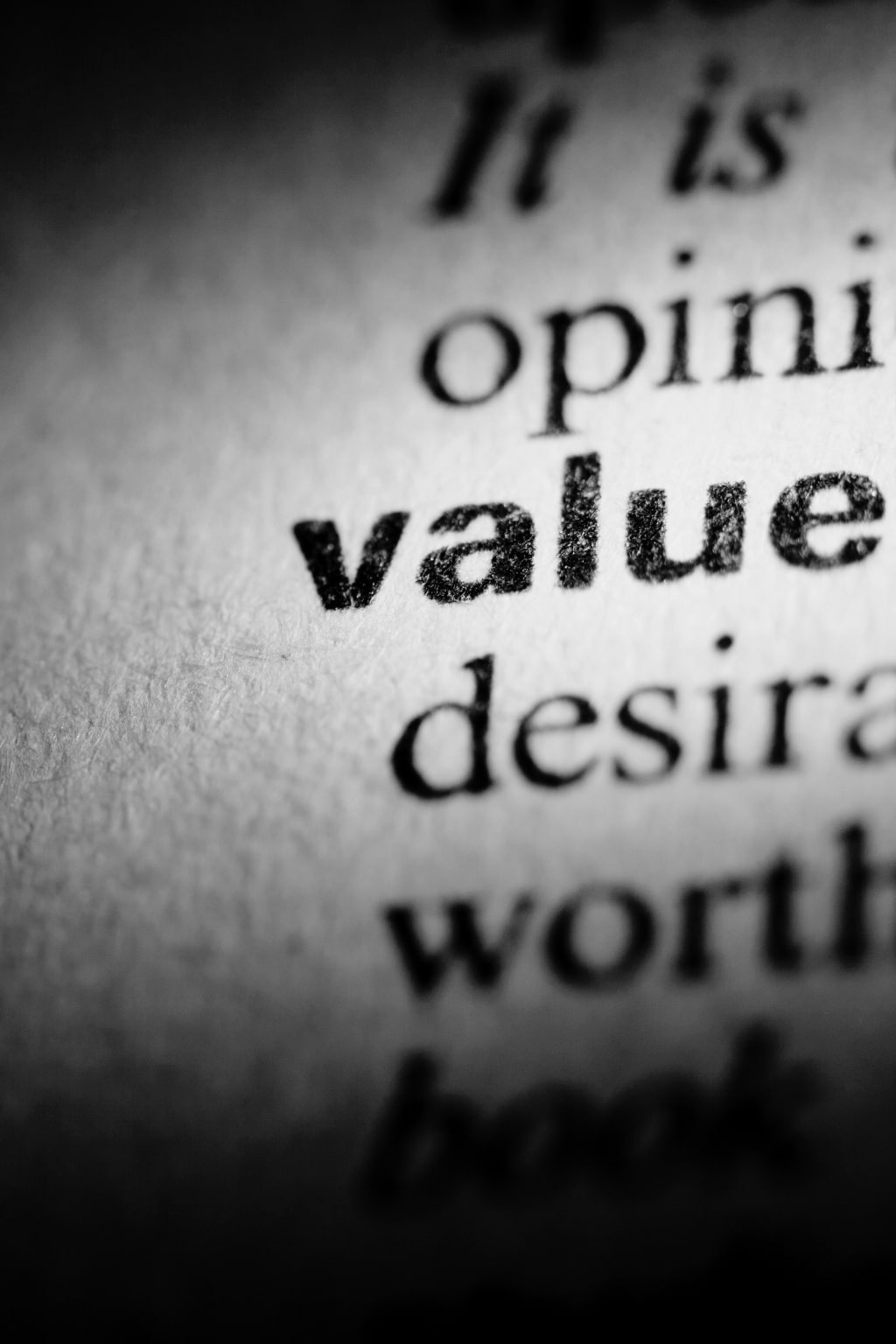
The language of value has crept into how we talk about love. We rank ourselves and others with terms borrowed from business and self help: high value, low effort, worth your time. Relationships have turned into a kind of marketplace where people compete for desirability rather than connection.
This obsession with being or finding a high value partner reflects a deeper cultural anxiety. We live in an era that measures everything, from productivity to beauty. Even intimacy has become a performance review.
The market logic of modern love
Dating culture increasingly mirrors economics. Apps invite comparison. Algorithms reward presentation. Advice columns promise strategies to optimise attraction. Love is treated as a transaction where you invest, gain, or lose value.
The language itself reveals the mindset. High value woman or high value man trends fill online feeds, often presented as empowerment but rooted in fear. The message is simple: become desirable enough to avoid rejection.
Psychologists describe this as status anxiety, the fear that your worth depends on external ranking. When applied to relationships, it turns vulnerability into risk management. Instead of asking whether someone feels right, we ask whether they measure up.
Try this
- Notice when attraction feels like evaluation.
- Ask if your standards express preference or fear.
- Remember that compatibility is not currency.
The illusion of self optimisation
The high value narrative often hides behind the language of self improvement. It encourages confidence but confuses self respect with performance. The focus shifts from growth to optics.
Dating advice for women often revolves around scarcity and restraint: be mysterious, never chase, let him lead. For men, the advice leans toward dominance and control: maintain frame, never overinvest, stay detached. Both scripts create performance, not intimacy.
The result is exhaustion. People begin to curate their personalities as if auditioning for affection. Authenticity becomes a liability in a culture that prizes composure over connection.
Try this
- Replace optimisation with honesty.
- Practise showing warmth without calculation.
- Allow vulnerability to coexist with standards.
The psychology of hierarchy
The idea of value in relationships activates old social hierarchies. Historically, status determined access. Wealth, appearance, or power dictated desirability. Modern dating apps replicate this through filters and metrics. The more visible your desirability, the higher your perceived worth.
Psychologically, this links to what researchers call mate value, an evolutionary measure of attractiveness and resource potential. The problem is that social media amplifies and distorts this natural instinct into obsession. People begin to view relationships as ladders rather than exchanges.
This constant ranking creates insecurity. It keeps both men and women striving for validation rather than connection. The pursuit of status becomes a stand in for emotional depth.
Try this
- Detach self worth from attention or admiration.
- Ask whether attraction feels reciprocal or strategic.
- Build relationships that reward calm, not competition.
The gendered double standard
The high value conversation exposes how gender still shapes expectations. Women are told to be selective but not assertive. Men are told to lead but not need. Both are confined by scripts that reduce complexity to tactics.
Online male dating spaces often promote the idea that women only respect power, wealth, or detachment. Female advice culture, in turn, frames emotional availability as weakness. Together, these extremes create a stalemate: two sides posturing rather than relating.
The truth is that attraction thrives in reciprocity, not polarity. Respect is not gendered. Desire does not need dominance to feel real.
Try this
- Question advice that treats connection as competition.
- Practise balance: independence with empathy, confidence with curiosity.
- Look for partners who want equality, not strategy.
The hidden cost of optimisation
The pursuit of high value partnerships has emotional consequences. Constant self monitoring erodes spontaneity. People start dating from tension rather than ease. When every action is measured for outcome, joy disappears.
Psychologist Dr Barry Schwartz calls this the paradox of choice: too many options create paralysis, not satisfaction. The same applies to relationships. When we treat dating as a numbers game, we lose the ability to connect with nuance.
Love cannot be hacked. It requires risk, presence, and imperfection. Those are the very traits optimisation tries to remove.
Try this
- Resist turning attraction into assessment.
- Let curiosity guide interaction instead of control.
- Value consistency over intensity.
Redefining value in love
To be high value in a meaningful sense has nothing to do with status or strategy. It is about emotional regulation, integrity, and curiosity. People who feel secure in themselves do not pursue partners to prove worth. They choose relationships that reflect it.
In this sense, genuine value is calm, not performative. It is presence without anxiety, care without calculation. It invites connection instead of chasing validation.
Try this
- Cultivate self trust rather than self branding.
- Seek partners who bring peace, not pressure.
- Let your standards reflect how you want to feel, not how you want to look.
Final thoughts
The obsession with high value partners reveals how deeply status has replaced substance in modern dating. It turns intimacy into a scoreboard. But value that depends on ranking is always unstable. The moment it must be proven, it disappears.
What endures is not appearance, achievement, or strategy, but self awareness and respect. The truest sign of worth is the ability to connect without performance. When love stops being a marketplace, it becomes human again.