Designing a space that supports your nervous system
A calm space does more than look beautiful. It speaks directly to your body. Every sound, surface, and scent communicates with your nervous system, telling it whether you are safe or under threat. When your environment feels balanced, your body follows.
Modern life overstimulates the senses. The average person is exposed to hundreds of alerts, lights, and background noises each day. Your nervous system never truly rests. Designing your space with intention gives it a chance to exhale.
Why environment matters for nervous system regulation
The nervous system is your body’s internal regulator. It shifts between activation and rest based on signals from your surroundings. Neuroscientists describe this as neuroception: your subconscious scan for safety. Even small changes in light, temperature, or clutter can alter your state.
Research from the University of Minnesota found that orderly environments promote clearer thinking and lower cortisol levels. In contrast, chaotic or noisy spaces trigger mild stress responses even when you are not aware of it. This is why some rooms make you feel instantly calm while others feel draining.
Design, when used consciously, becomes a form of self care.
Start with light
Light sets the tone for your nervous system. Natural daylight regulates circadian rhythms, which affect energy and mood. Artificial light, particularly harsh overheads or blue tones at night, can disrupt those rhythms and increase stress hormones.
Try this
- Let in as much natural light as possible during the day.
- Use warm, diffused lighting in the evening to signal rest.
- Avoid bright screens two hours before bed to help melatonin production.
If you cannot change your windows, use mirrors to reflect daylight. Light that feels soft and consistent calms the body’s internal clock.
Simplify your surroundings
Visual clutter competes for your attention, forcing your brain to process unnecessary information. This keeps the nervous system slightly alert. A 2011 Princeton study showed that people in tidy spaces were able to focus more effectively and felt less mental fatigue.
Try this
- Clear surfaces and store items by category.
- Choose furniture with clean lines and hidden storage.
- Keep your colour palette simple to reduce overstimulation.
Engage your senses intentionally
Every sense influences how safe you feel. Smooth textures, natural materials, and balanced scents send signals of comfort. Rough fabrics or synthetic fragrances can do the opposite. The nervous system takes constant notes.
Try this
- Choose materials such as linen, wood, or stone for tactile grounding.
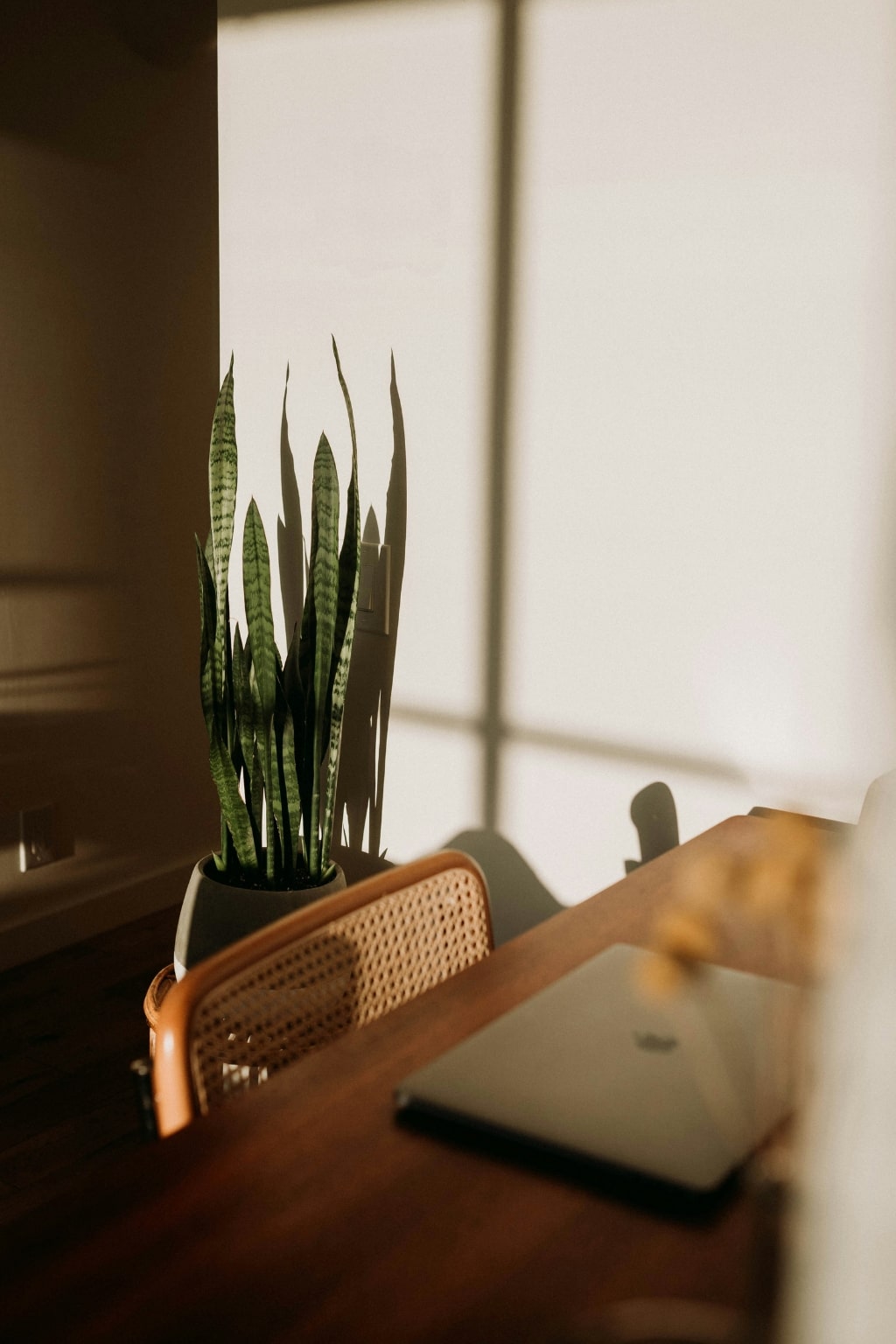
- Add plants for visual softness and improved air quality.
- Use scent sparingly. Lavender, cedarwood, and bergamot are linked to reduced anxiety.
Colour and emotional tone
Colour affects emotion through both psychology and physiology. Cooler hues such as blue and sage reduce heart rate and blood pressure, while warmer neutrals promote comfort. Bright red, on the other hand, can raise alertness levels.
Try this
- Use neutral or muted colours in high use rooms.
- Keep stronger colours in smaller accents like art or textiles.
- Match colour temperature to room purpose: cooler for focus, warmer for rest.
The role of sound
Sound environments shape how easily your body relaxes. Constant noise, even at low levels, keeps your sympathetic nervous system slightly activated. Silence, or natural sound, restores balance. Studies from the British Academy of Sound Therapy show that low frequency sounds and nature recordings lower heart rate variability and improve mood.
Try this
- Reduce background noise with rugs, curtains, and soft furnishings.
- Play ambient music or gentle soundscapes during work.
- Keep at least one quiet zone in your home for full sensory rest.
Design for flow
How you move through a room affects how you think. Spaces with clear pathways and natural movement patterns create psychological ease. When furniture placement allows flow, your body relaxes into predictability.
Try this
- Keep pathways open and free of obstacles.
- Arrange seating to encourage conversation and connection.
- Add a consistent focal point, such as a plant or piece of art, to guide the eye.
Restorative rituals
The nervous system thrives on routine. Simple design rituals anchor your body in calm repetition. Making the bed, lighting a candle, or opening a window each morning becomes a signal of safety.
Try this
- Start and end the day with one small environmental cue for calm.
- Keep a favourite corner or chair for rest or reflection.
- Introduce scent or sound as a cue to transition from work to home mode.
The science of belonging
Spaces that feel personal enhance emotional regulation. Photographs, artwork, or objects that hold meaning remind the brain that you are safe and supported. According to environmental psychology research from Cornell University, people who personalise their spaces report lower anxiety and stronger focus.
Try this
- Choose decor that connects you to people or places you love.
- Display fewer objects, but make each one intentional.
- Rotate personal items seasonally to keep them meaningful.
Final thoughts
Designing a space that supports your nervous system is less about perfection and more about permission. You are building an environment that teaches your body how to rest. When you create calm outside, you make room for calm within.